Beyond the Hire
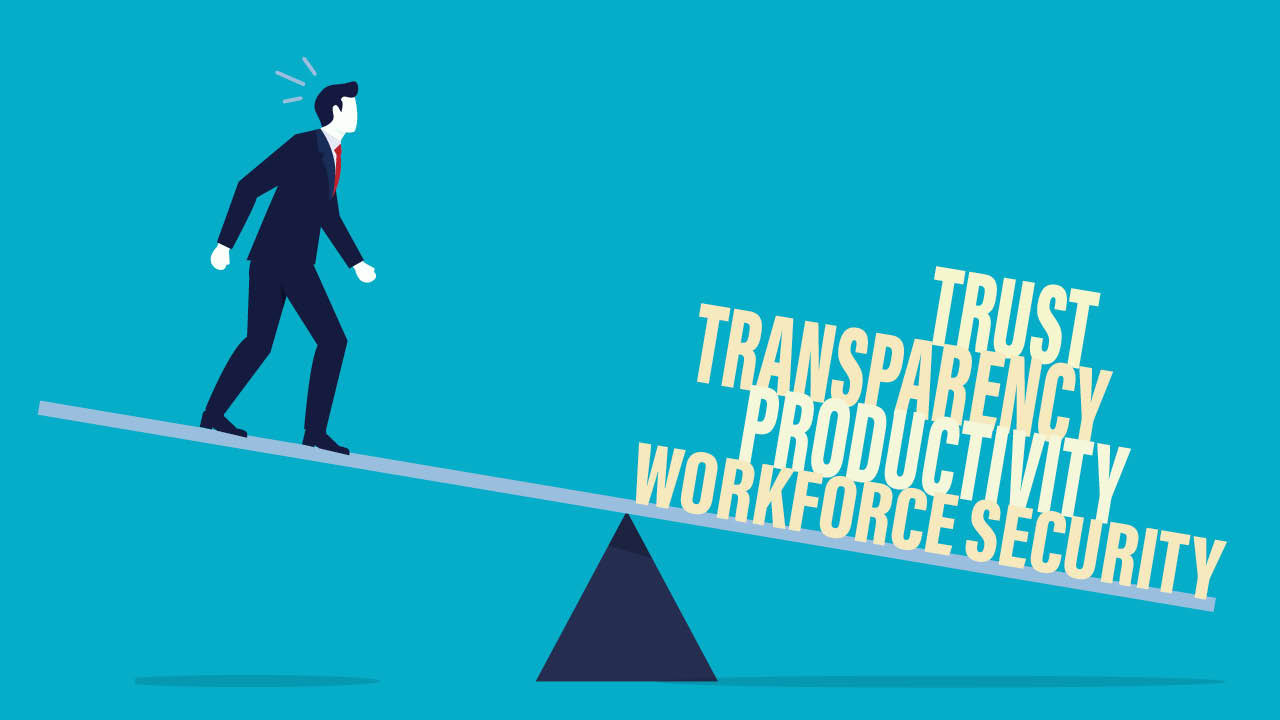
The Future of HR Technology Is Built on Trust
Trust in HR technology starts with reliable data. See how data quality, transparency, and integration support better workforce decisions.

We hope you enjoy reading this blog post. If you want PostHire to conduct a 90-day look back of criminal activity of your organization’s actual employees at ZERO cost to you, click here.
HR technology looks nothing like it did five years ago. Applicant tracking systems connect with background screening tools. Screening results flow into HR information systems, payroll platforms, and workforce analytics dashboards. Each connection supports decisions based on data someone else collected. But was each data point verified before being passed on?
When the data chain works properly, HR leaders gain a more complete picture to support better decisions. However, one unreliable data point can spread across connected systems and influence decisions throughout the organization.
Because HR technology platforms are increasingly interconnected, every system in the chain must be trustworthy.
Trust Now Determines Which Tools Get Adopted
CHROs and HR tech leaders now buy platforms that operate in a network of connected tools. Rather than relying on standalone software, organizations increasingly connect screening providers, identity verification vendors, payroll processors, and AI-driven analytics tools. Each service provider must first address questions from procurement and legal teams about its data-handling practices. Who has access to the company’s data, and what procedures do they follow if something goes wrong?
No matter how impressive a platform’s features may seem during the sales pitch demonstration, a vendor’s data security and verification procedures receive increased consideration. ISG’s 2025 HR Tech Survey identified data governance as one of the “foundational” requirements that determine whether an HR tech tool delivers value.
A Partner’s Shortcuts Become the Buyer’s Risk
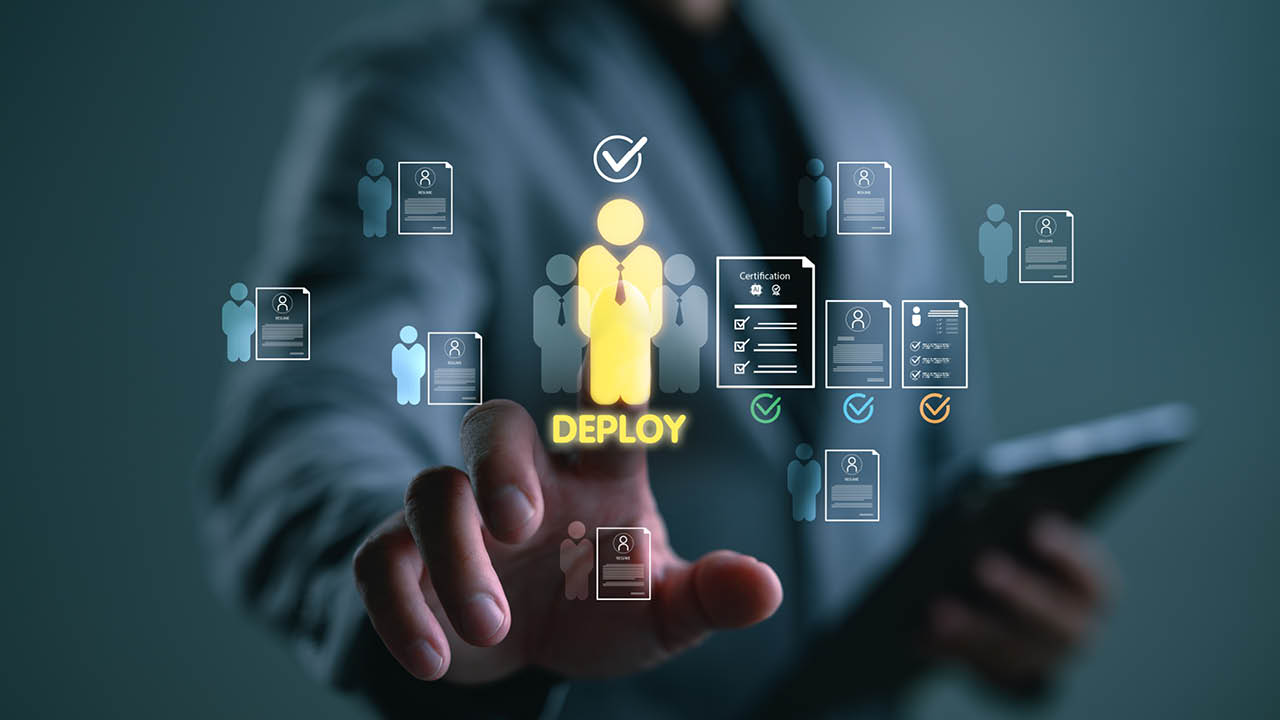
The real test of a newly purchased HR tool is what happens when it starts operating within your organization. A hiring decision may draw on identity verification, criminal history checks, employment verification, and skills assessments. Different partners may supply each piece of information. If one partner makes a name-matching error, relies on a stale record, or misses a jurisdiction, your organization still has to deal with the consequences.
Beyond any reputational damage, challenged hiring or termination decisions affect real people. The buyer’s organization will need to answer any formal complaint filed by a rejected job candidate, a plaintiff’s attorney, or a regulator. Even when a vendor limits its liability, your organization may still face legal, operational, and reputational consequences from decisions based on inaccurate data. These errors can also undermine trust in your screening program.
Data Quality Is the Foundation, Transparency Is the Proof
Every decision built on workforce intelligence analytics depends on the individual data points fed into the system. Trust in a service provider erodes quickly when it delivers outdated information, relies on duplicate records, or uses data from an unvetted source. Responsible HR leaders want to know more than what a data point says. They also want to know where it came from, how current it is, and how it was verified.
A vendor’s transparency about its data’s provenance promotes trust. Leaders who know where a record came from and how and when it was verified make decisions with confidence. Organizations building decisions on a data foundation of uncertain origin operate with risks they can’t quantify.
Connected Tools Beat Isolated Ones
While reliable data is essential, it’s not enough on its own. No single vendor has every piece of relevant workforce information. However, when HR tech partners share appropriate data and integrate their products, organizations gain better visibility across their systems.
That kind of cooperation doesn’t happen by accident. To achieve seamless data integration, HR tech service providers must agree to data standards, security practices, and a shared accountability for how the respective platforms perform after they’re linked. Poor integration can create real gaps. For example, a manager may approve an employee transfer without seeing a relevant risk or compliance signal captured elsewhere in the HR ecosystem.
What This Looks Like at PostHire
At PostHire, trust starts with the source. Our continuous workforce screening data originates directly from primary sources across more than 4,000 jurisdictions and every federal district.
We also believe workforce intelligence should work within the broader HR technology ecosystem. That means delivering current, traceable data that organizations and their technology partners can use with confidence.
As HR technology becomes more connected, trust will depend less on any single platform’s features and more on the quality, transparency, and reliability of the data moving between them.
What you don’t know can hurt you. PostHire makes sure you know.
Contact Peter Collins, CRO PostHire for a 90-day look back of criminal activity of your organization’s actual employees – at ZERO cost to you.