
What Workforce Signals Should AI Trust?
As AI takes on a larger role in hiring and workforce risk decisions, data quality matters more than ever. Learn why source provenance, verification, current data, and human oversight are essential to trustworthy workforce AI.
The Compliance Layer: Why Leadership Needs Workforce Risk Intelligence

Compliance depends on more than policies and audits—it requires current workforce intelligence. Learn how continuous workforce monitoring helps boards, compliance leaders, and auditors identify emerging risks, strengthen governance, and demonstrate ongoing due diligence before incidents occur.
Continuous Workforce Monitoring: The Missing Layer in Enterprise Risk Programs

Most organizations stop screening employees after the hiring decision, creating dangerous visibility gaps into evolving workforce risk. Continuous workforce monitoring helps HR, security, and compliance teams detect criminal risk signals in real time before incidents escalate into financial or reputational damage.
Clean Slate and Fair Chance Laws: 2025 Update

As more states expand Clean Slate and Fair Chance laws in 2025, employers face new challenges in maintaining compliance and workforce safety. With past records sealed from view, continuous workforce screening has become the only reliable way to identify new criminal activity that impacts organizations.
Conference Recap: Workforce Resilience in Changing Times
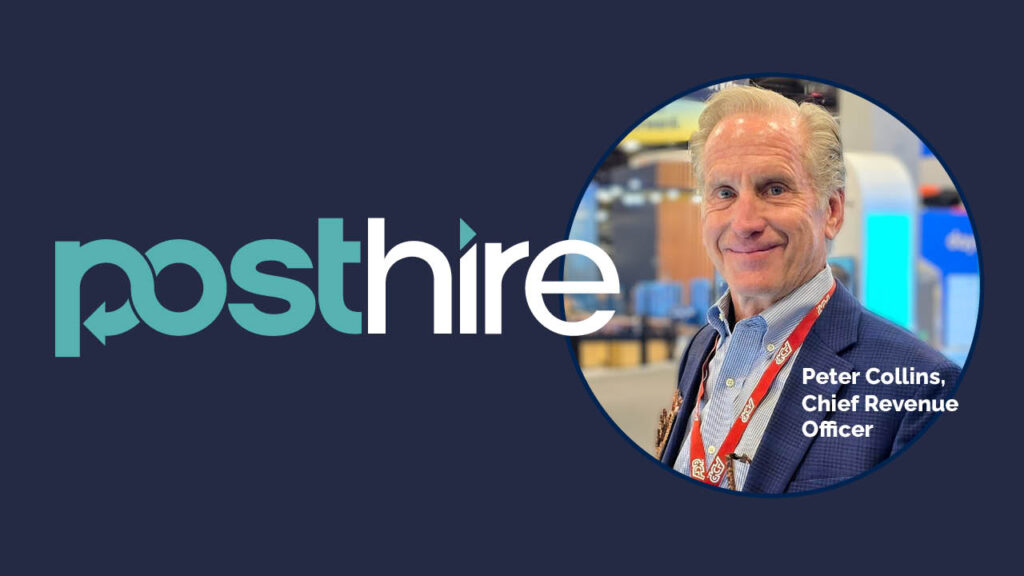
PostHire’s September conference recap highlights key insights from Avangrid’s Threat & Intelligence Symposium and the HR Technology Conference. As hiring slows and workforce risks rise, continuous employee screening emerges as an essential strategy for organizational resilience.