
The New Workforce Intelligence Mandate for CHROs
The CHRO role has moved far beyond traditional HR administration. Learn why workforce intelligence, trusted data, AI governance, and real-time risk visibility are becoming essential for board-level decision-making, organizational resilience, and strategic workforce leadership.
Beyond People Analytics: The Rise of Workforce Intelligence
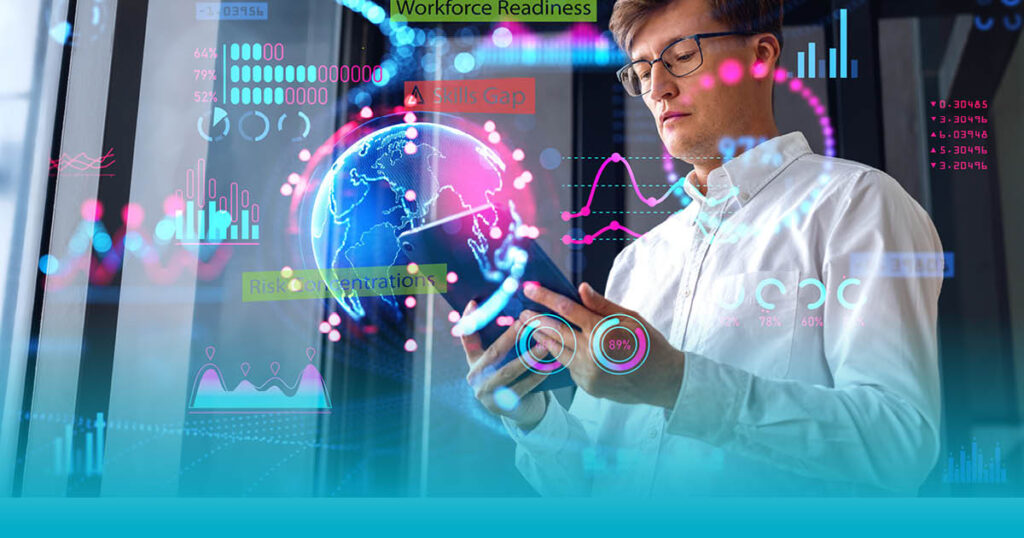
Traditional HR metrics explain what has already happened. Workforce intelligence combines current, verified data with continuous monitoring and risk signals to help leaders assess workforce readiness, identify emerging risks, and make more confident strategic decisions.
The Compliance Layer: Why Leadership Needs Workforce Risk Intelligence
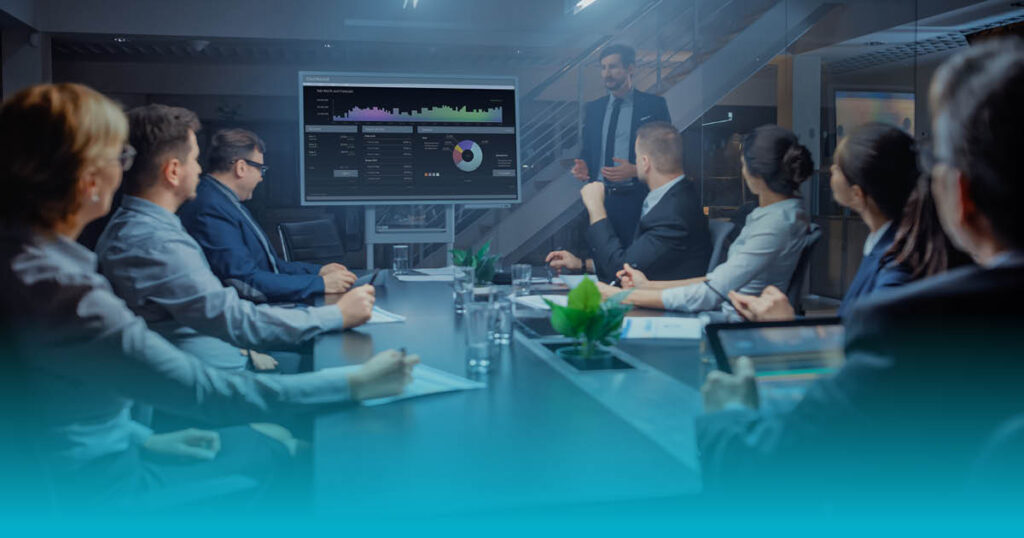
Compliance depends on more than policies and audits—it requires current workforce intelligence. Learn how continuous workforce monitoring helps boards, compliance leaders, and auditors identify emerging risks, strengthen governance, and demonstrate ongoing due diligence before incidents occur.
From Signals to Action: Why Investigations Matter in Workforce Risk

Workforce monitoring programs generate valuable risk alerts, but alerts alone don’t reduce risk. Learn why structured investigations, case management, and cross-functional workflows are essential for transforming workforce risk signals into meaningful action and defensible decision-making.
Culture Is the Most Overlooked Layer of Workforce Risk

Technology can detect workforce risk, but culture often determines whether incidents are prevented in the first place. Learn how ethics, accountability, employee reporting, leadership integrity, and continuous monitoring work together to strengthen workforce risk management and insider threat prevention.
Continuous Workforce Monitoring: The Missing Layer in Enterprise Risk Programs

Most organizations stop screening employees after the hiring decision, creating dangerous visibility gaps into evolving workforce risk. Continuous workforce monitoring helps HR, security, and compliance teams detect criminal risk signals in real time before incidents escalate into financial or reputational damage.
The First Layer of Workforce Risk Intelligence: Identity, Trust, and Hiring

Workforce risk starts at hiring. As AI-driven identity fraud rises, traditional background checks fall short. Learn how modern screening programs must verify identity at the source and evolve into continuous workforce risk intelligence to protect organizations from day one.
The Risk Intelligence Framework: A Layered Approach to Managing Human Risk
Most organizations react to insider threats after the damage is done. A layered risk intelligence framework enables continuous workforce risk management—combining hiring, access control, monitoring, and governance to detect early warning signs and prevent costly incidents.
The Cost of Ignoring Insider Threats
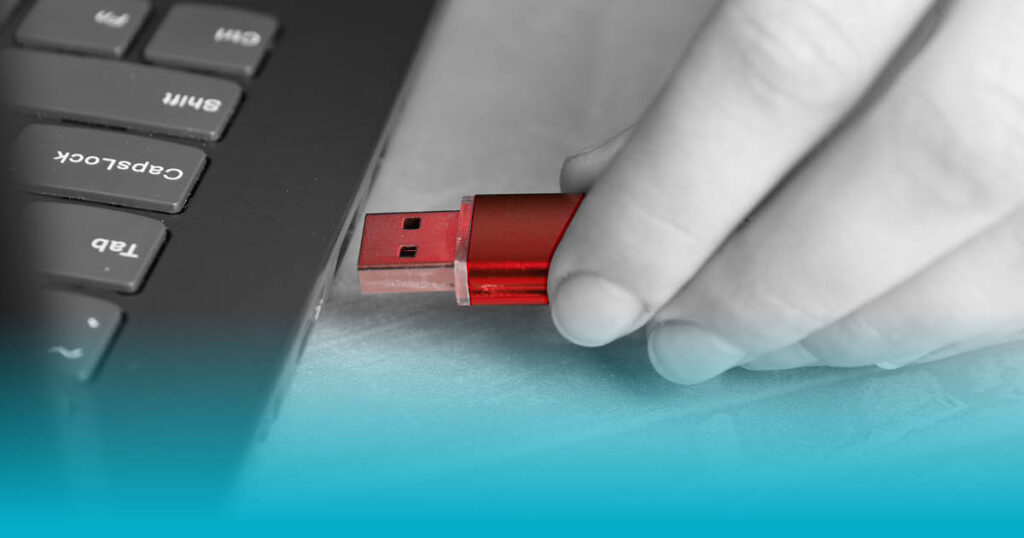
Insider threats cost organizations millions—yet most go undetected for months. As workforces evolve, outdated risk models leave dangerous gaps. Learn how continuous monitoring and workforce intelligence can reduce exposure, detect threats earlier, and protect your business.
AI-Generated Synthetic Identities: The Next Frontier in Fraud

AI-generated synthetic identities are rapidly becoming one of the fastest-growing fraud threats. By combining real and fabricated data, bad actors can create convincing digital personas that bypass traditional verification. Organizations must move beyond static checks toward behavioral analytics and continuous identity monitoring.